Home security

British designed hardware solutions for the home, which are easy to install, high-quality and look good

Residential door hardware not only needs to perform as expected but look good too. Our homes should be where we feel most safe and protected, which is why there’s no room to compromise when it comes to selecting secure door locks or other door hardware for the home.In the UK, it’s estimated that a burglary takes place every 40 seconds, with jewellery, watches, purses, wallets, money, computers and computer equipment being some of the most commonly stolen goods.


Home security is important all year round, but studies have shown that burglaries in the UK spike by as much as 25% in the autumn and winter months.While there are simple steps that homeowners can take to help keep their homes safe, such as keeping doors and windows locked at all times, fitting motion detecting security lights, and closing the curtains at night, the most important measure is to make sure high-quality and high-performance home security door locks are fitted.
In the UK, it’s estimated that a burglary takes place every 40 seconds.
Crimestoppers UK

Understanding the main types of locks

There are a number of different locks that are specified in home insurance policies. Here, we outline the main differences between each of these.

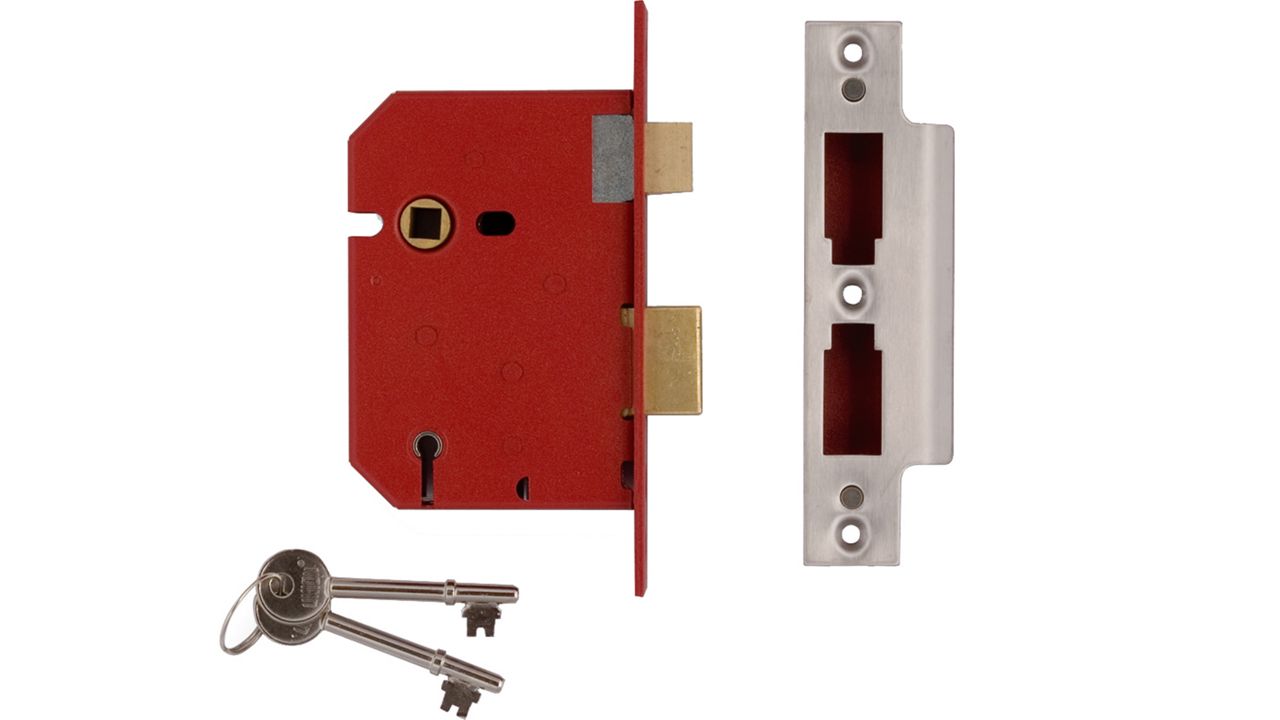
Five-lever mortice deadlock

A five-lever mortice deadlock is key operated and fitted on and into the side of a timber door. These locks are often fitted halfway up the door, and the faceplate of the lock will have the British standard kitemark logo visible. Homeowners may also have a five-lever mortice sash lock, which is the same as a mortice deadbolt in that the key operates the deadlock, but it also features a handle to retract the latch bolt.

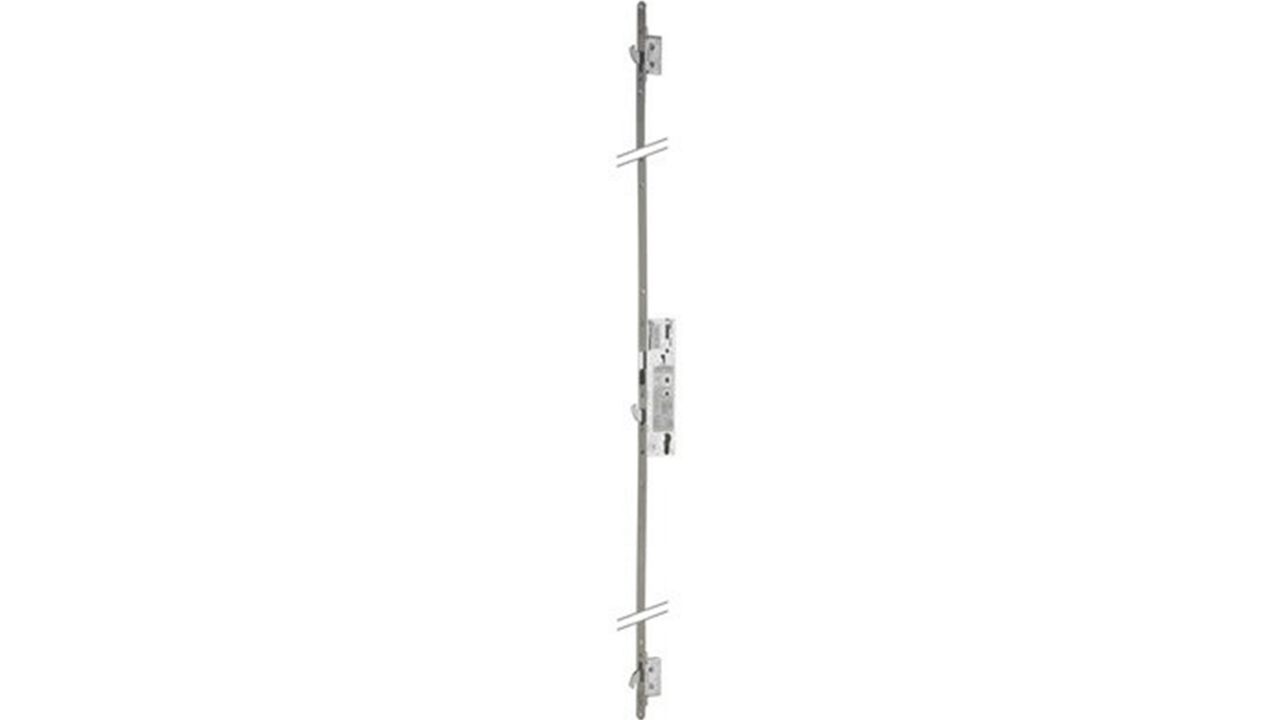
Key-operated multi-point locking systems

If a home has a uPVC or composite door, then it will likely have a key-operated multi-point locking system. This is fitted into the side of the door and runs the full height. It will have multiple locking points along the length of the lock, which lock into the door frame when closed. The cylinder that locks the door is fitted through the door. If the cylinder has the British standard kitemark visible then it meets the required security rating for cylinder locks – TS007.

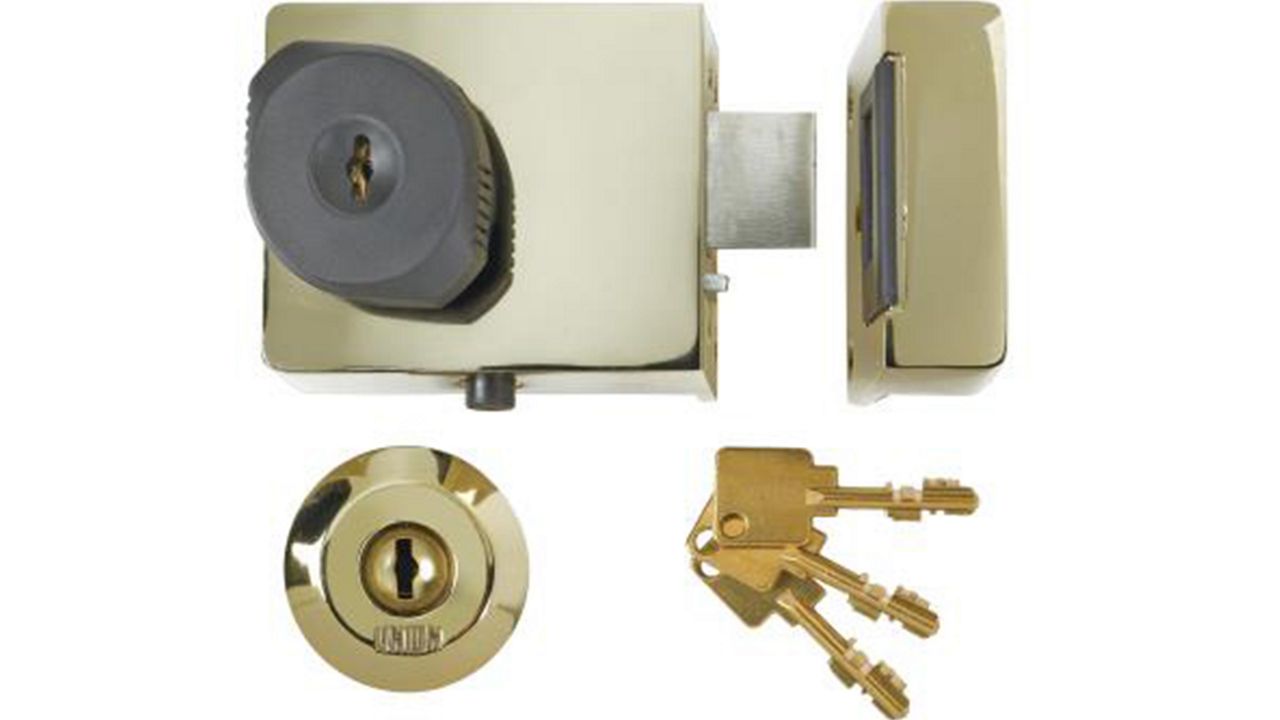
Rim nightlatches

Rim nightlatches are usually fitted on timber doors at about head height. These locks are fitted on the inside of the door with a rim (round cylinder) fitted through the door connecting to the rim nightlatch, which is visible on the outside of the door. These can be locked or unlocked with a key from the inside or outside of the door. If the nightlatch lock has a kitemark showing on its face plate, then the lock has been tested to BS 3621. 

Setting the standard

The British Standards Institution (BSI) undertakes security testing and certification services for doors and locks. Understanding the British standards that home security door locks need to meet is critical. 
Here, we explain the top ones that you need to look out for when choosing home security products.

Secured By Design

Another accreditation to look out for is Secured By Design (SBD). A UK Police initiative that supports ‘designing out crime’, the scheme promotes the use of security standards and products receive the stamp of approval once they have met SBD’s rigorous testing guidelines. Research has shown that homes using products that meet SBD standards are 75% less likely to be burgled.

Need to speak to someone about our home security products?